


Introduction
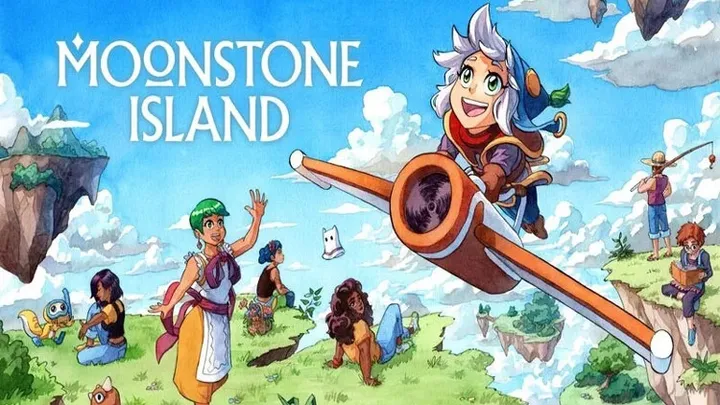
Moonstone Island is a unique life simulation and creature-collecting RPG that blends farming, exploration, deck-building combat, crafting, and relationship mechanics into one expansive adventure. Set in a world of floating islands, players take on the role of an alchemist who must leave home and establish themselves on Moonstone Island while discovering powerful Spirits, gathering resources, and uncovering ancient mysteries.
Unlike traditional farming games, Moonstone Island rewards exploration just as much as farming. Every island contains different resources, creatures, dungeons, and secrets. Meanwhile, the card-based combat system adds a strategic layer that requires careful planning rather than simple level grinding.
Many new players spend too much time focusing on one aspect of the game while neglecting others. The most successful players balance farming, Spirit collection, exploration, and deck improvement simultaneously. This guide covers every stage of progression and will help you build a strong foundation for a successful adventure.
1. Establish Your Farm Before Exploring Too Far
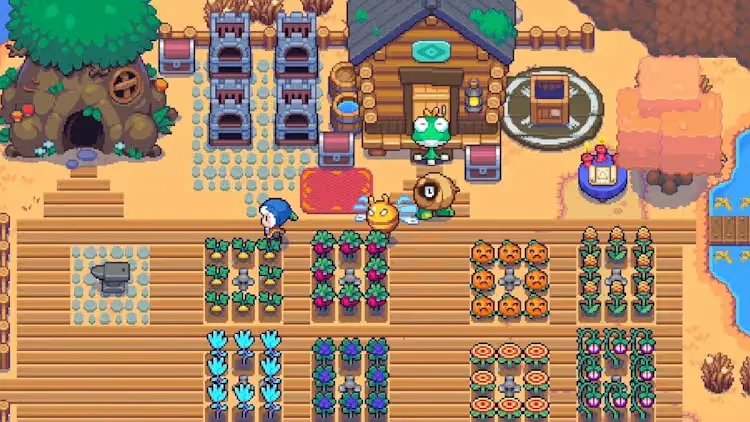
When players first arrive on Moonstone Island, the temptation to immediately explore nearby islands is strong. While exploration is important, your farm should remain your first priority.
A reliable farm provides food, income, crafting materials, and resources necessary for long-term progression. Without a stable source of supplies, exploration becomes much more difficult later.
Early Farming Priorities
- Clear a manageable farming area.
- Plant crops immediately.
- Build storage chests.
- Gather wood and stone daily.
- Save seeds for future planting.
Why Farming Matters
Many crafting recipes and alchemy projects depend on resources generated through farming. Building a productive farm early creates a stable foundation for everything else in the game.
A small efficient farm is usually better than a large neglected one.
2. Learn the Basics of Spirit Collection
Spirits are the creatures that accompany you throughout your journey.
Unlike many monster-collecting games, Moonstone Island allows players to build teams that directly influence combat strategy through deck-building mechanics.
Many beginners recruit the first Spirits they find and never experiment with alternatives.
Good Early Collection Habits
- Capture different Spirit types.
- Test multiple team combinations.
- Keep backup Spirits available.
- Study each Spirit's strengths.
Benefits of Variety
A diverse collection gives you more flexibility when facing different enemies and challenges.
Some Spirits excel at dealing damage, while others provide support, defense, or status effects.
3. Understand the Card-Based Combat System
Combat in Moonstone Island revolves around cards rather than traditional attacks.
Every Spirit contributes cards to your deck, meaning team composition directly affects available combat strategies.
New players often focus solely on Spirit statistics while ignoring deck quality.
Important Card Types
- Attack cards
- Defensive cards
- Buff cards
- Debuff cards
- Utility cards
Combat Strategy Tips
Rather than using every attack immediately, think several turns ahead. Proper planning often results in much more efficient victories.
Strong decks rely on synergy rather than individual powerful cards.
4. Explore Nearby Islands Methodically
The floating islands are the heart of the game's exploration system.
Each island contains unique resources, Spirits, treasures, and environmental features.
Many players rush across numerous islands without fully exploring any of them.
Exploration Goals
- Unlock teleportation points.
- Gather rare materials.
- Discover new Spirits.
- Locate treasure chests.
- Find dungeon entrances.
Exploration Benefits
Careful exploration provides resources that significantly improve progression speed.
Fully investigating one island is often more rewarding than briefly visiting several.
5. Upgrade Your Tools as Soon as Possible
Tool upgrades are among the most valuable investments in the game.
Better tools increase efficiency, reduce resource gathering time, and make exploration significantly smoother.
Many players spend resources on cosmetic upgrades before improving essential equipment.
Upgrade Priority
- Pickaxe
- Axe
- Scythe
- Watering Can
- Utility Tools
Why Upgrades Matter
Improved tools allow players to gather resources faster, making every future activity more efficient.
The sooner upgrades are obtained, the more value they provide over time.
6. Build Strong Relationships With Villagers
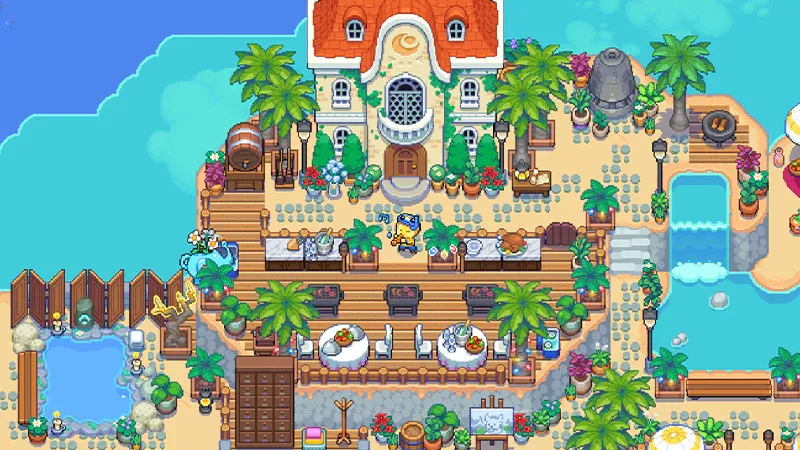
Moonstone Island features a variety of characters with unique personalities, stories, and rewards.
While exploration and Spirit collection often take center stage, relationships offer valuable progression opportunities.
Many players overlook social mechanics during the early game.
Ways to Improve Relationships
- Speak with villagers regularly.
- Give preferred gifts.
- Participate in events.
- Complete requests.
Benefits of Friendship
Additional Story Content
Characters reveal more of their personalities over time.
Useful Rewards
Some villagers provide valuable items and resources.
Romance Options
Several characters can become romantic partners.
Relationship progression adds depth to the overall experience.
7. Master Alchemy and Crafting Systems
Alchemy plays a major role throughout the game.
Potions, enhancements, and special items can dramatically improve combat effectiveness and exploration capabilities.
Many beginners only craft items when required for quests.
Important Crafting Priorities
- Healing items
- Buff potions
- Resource processing
- Spirit-related upgrades
Why Alchemy Matters
Proper use of crafted items often determines success during difficult encounters.
A well-prepared player can overcome challenges that would otherwise seem overwhelming.
8. Optimize Your Spirit Team Composition
As the game progresses, stronger Spirits become available.
Many players continue using early-game favorites despite having access to better options.
While personal preference is important, team balance becomes increasingly valuable.
Key Team Roles
- Damage Dealer
- Tank
- Support
- Utility Specialist
Team Building Tips
Maintain Diversity
Avoid stacking identical weaknesses.
Create Synergy
Choose Spirits whose abilities complement each other.
Experiment Frequently
Unexpected combinations often become highly effective.
A flexible team performs better across a wider range of situations.
9. Prepare Carefully for Dungeons and Bosses
Dungeons and boss encounters provide some of the game's greatest challenges.
These areas often test combat knowledge, deck construction, and resource management.
Many players enter unprepared and struggle unnecessarily.
Pre-Dungeon Checklist
- Upgrade equipment.
- Bring healing items.
- Improve Spirit levels.
- Refine your deck.
- Organize inventory.
Common Boss Mistakes
- Ignoring defensive cards.
- Using poorly optimized decks.
- Bringing underleveled Spirits.
- Forgetting consumables.
Preparation often matters more than raw power.
10. Focus on Long-Term Endgame Goals
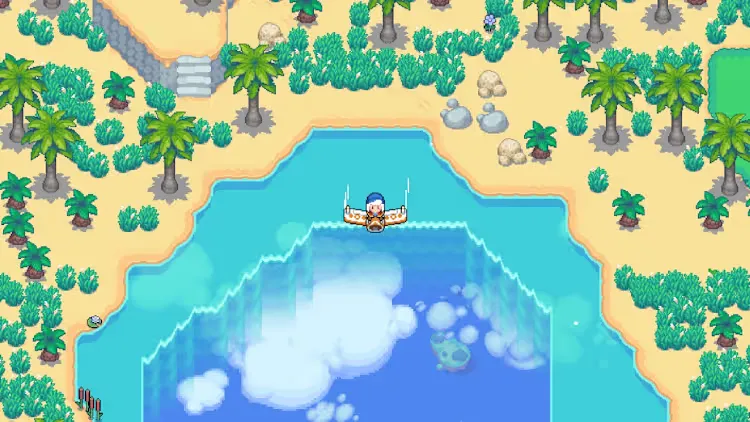
The late game shifts from survival and progression toward optimization and collection.
Players gain access to stronger Spirits, advanced crafting options, and increasingly difficult challenges.
Endgame Objectives
- Complete Spirit collections.
- Optimize decks.
- Maximize farm efficiency.
- Upgrade all equipment.
- Build ideal relationships.
- Explore every island.
Advanced Optimization Tips
Improve Resource Production
Automate and streamline whenever possible.
Maintain Multiple Decks
Different situations benefit from different strategies.
Continue Exploring
Even late-game islands contain valuable discoveries.
The most successful players remain adaptable and continue refining their strategies.
Conclusion
Moonstone Island successfully combines farming, exploration, creature collection, deck-building combat, and relationship mechanics into a rewarding and highly customizable adventure. While the early game focuses on establishing a farm and collecting Spirits, the later stages challenge players to optimize teams, master alchemy, refine decks, and explore increasingly dangerous islands.
By prioritizing farming, collecting diverse Spirits, upgrading tools early, maintaining strong relationships, and continuously improving your combat strategies, you'll avoid many of the common mistakes that slow progression. Whether your goal is building the perfect farm, completing every collection, or conquering every challenge the game offers, these tips will help you make the most of your journey across the floating islands.